The Essential Guide to Roofing: What Every Homeowner Should Know
Many homeowners tend to neglect the value of a properly maintained roof. Knowing the right time to repair or replace your roof can prevent costly expenses. A range of roofing materials deliver distinct benefits, and routine inspections play a vital role in maximizing a roof's durability. Because environmental conditions place ongoing strain on roofing systems, selecting a trustworthy contractor becomes increasingly important. What are the key signs of a failing roof, and how can property owners ensure they make well-informed choices?
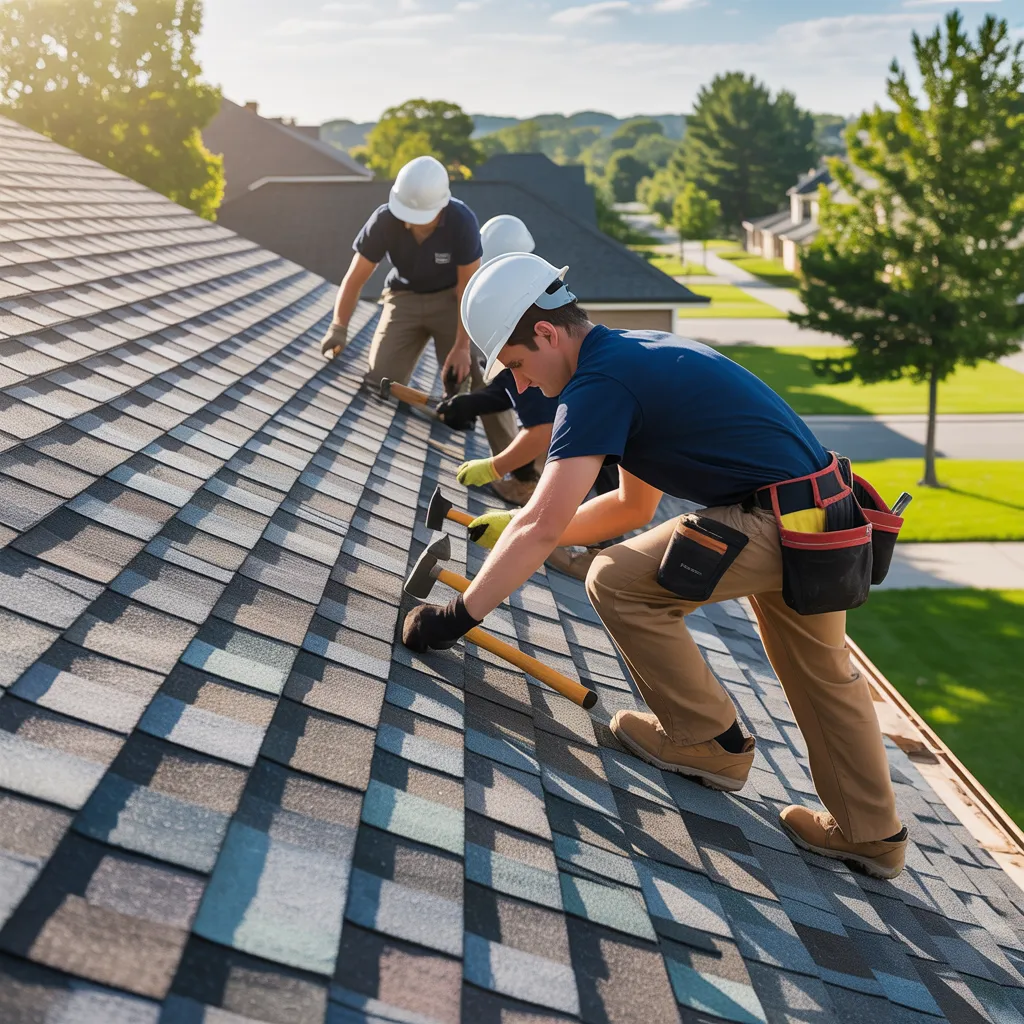
Signs Your Roof Needs Repair or Replacement?
How do homeowners know when their roof is in need of repair or replacement? Signs of deterioration often manifest in various forms. Residents should be on the lookout for missing, cracked, or curling shingles, as they signal areas of potential concern. Moreover, stains or discoloration found on ceilings or walls may be an indication of leaks, underscoring the need for urgent attention.
One other important sign is granule shedding, frequently noticeable in gutters; this can weaken the roof's protective layer. Property owners should look out for drooping sections, which may point to serious structural concerns. Periodically examining the attic for sunlight filtering through the roof boards can reveal gaps.
Additionally, the lifespan of the roof carries considerable weight; roofs commonly endure for 20 to 30 years. If a roof nears this age threshold and exhibits evidence of aging, installing a new roof may be the best course of action. By being observant and acting in advance, homeowners can ensure their roofs maintain integrity and protect their homes effectively.
A Guide to Different Roofing Materials
Familiarizing yourself with different roofing materials is crucial for homeowners aiming to make educated selections. Asphalt shingles offer a popular and cost-effective option, while metal roofing offers benefits in terms of longevity and energy savings. Additionally, tile roofing is renowned for its aesthetic appeal and longevity, making it a valuable consideration for many.
Asphalt Shingles Summary
Asphalt shingles are a popular choice among homeowners owing to their budget-friendly nature and flexibility. Offered in a wide range of colors and styles, they are well-suited to numerous architectural designs. Typically composed of a fiberglass mat coated with asphalt and mineral granules, these shingles provide lasting durability and protection against the elements. They can be installed with relative ease, making them an appealing selection for contractors and do-it-yourself homeowners alike. Asphalt shingles come in two main types: organic and fiberglass, each providing specific benefits and different durability ranges. Though their average lifespan ranges from 15 to 30 years, thorough installation and consistent upkeep can considerably improve their durability. Therefore, asphalt shingles stand as a trusted and economical roofing choice for a wide range of households.
Benefits of Metal Roofing
Metal roofs have gained popularity amongst property owners in search of a reliable and long-lasting replacement for conventional materials such as asphalt shingles. Its light weight reduces structural load, making it suitable for a wide range of building types. Furthermore, metal roofs are known for their exceptional resistance to severe weather, including heavy rain, snow, and high winds. They also provide outstanding energy-saving benefits, bouncing back solar heat and reducing cooling costs. A significant advantage is their long lifespan, typically surviving 40 or more years with minimal maintenance. Moreover, metal roofing is environmentally friendly; a wide variety of products are crafted from recycled materials and are fully recyclable at the end of their lifespan. All of these qualities make metal roofing an attractive option for today's homeowners who value durability and environmental responsibility.
Advantages of Tile Roofing
Tile roofing stands out as a preferred option for homeowners looking for a combination of visual charm and long-lasting strength. Its distinctive appearance , offered in a wide range of styles and hues, enhances a home's character while offering impressive durability. Tile roofs are capable of enduring severe weather conditions, including powerful gusts and heavy downpours, making them suitable for diverse climates. Additionally, they provide outstanding thermal insulation, contributing to energy efficiency and cutting down on heating and cooling expenditures. Maintenance is relatively straightforward, necessitating routine inspections and cleaning to avoid the accumulation of debris. Furthermore, tile roofing provides fire resistance and can last for decades, frequently surpassing the lifespan of other roofing materials. Overall, the combination of these advantages makes tile roofing a compelling option for homeowners with high standards.
Vital Roof Maintenance Guidelines for Maximum Lifespan
Although many homeowners tend to neglect roof maintenance, regular care is crucial for extending a roof's lifespan. Routine inspections play an essential role in identifying potential issues before they escalate. It is important for homeowners to look for loose or deteriorating shingles, with special focus on the areas surrounding chimneys and vents. Cleaning gutters is another important task; obstructed gutters have the potential to cause water infiltration and mold accumulation.
Moreover, clearing debris like leaves and branches from the roof aids in preventing moisture buildup. It is also important for homeowners to ensure that their attic maintains sufficient ventilation, as adequate airflow minimizes the risk of heat and moisture accumulation. Cutting back overhanging branches can lessen the likelihood of storm damage and prevent leaves from accumulating. Lastly, organizing professional inspections periodically can offer expert guidance and ensure that minor repairs are handled quickly. Applying these maintenance strategies will substantially contribute to a roof's longevity and overall performance.
The Impact of Weather on Your Roof's Integrity
Climate markedly affects a roof's durability, impacting materials and overall performance over time. Severe temperature fluctuations can cause roofing materials to expand and contract, leading to cracks and progressive degradation. Substantial rain can compound these concerns, as accumulated moisture may infiltrate seams and joints, resulting in leaks and water damage. Moreover, powerful winds can displace tiles or shingles, leaving underlying layers exposed to continued weather-related deterioration.
Snow and ice present another challenge; as they accumulate, they add weight and can cause structural stress. The melting of snow can contribute to ice dam formation, which blocks proper drainage and increases the risk of leaks. Furthermore, ultraviolet (UV) radiation from the sun can break down roofing materials, most notably asphalt shingles. Understanding these weather-related impacts enables homeowners to proactively maintain their roofs, promoting longevity and resilience against the elements. Consistent inspections and timely repairs can minimize damage and maintain overall roof integrity.
How to Find the Ideal Roofing Contractor
Choosing the ideal roofing contractor is crucial for ensuring a favorable project. Homeowners should initiate by confirming the contractor's credentials and licenses, as well as evaluating their knowledge and skill in the industry. This careful analysis aids in reaching an well-considered decision that can affect the durability and standard of the roofing system.
Check Credentials And Licenses
Confirming the licenses and credentials of a roofing contractor is vital for property owners looking for skilled craftsmanship and confidence. A certified contractor demonstrates compliance with regional requirements and professional guidelines, indicating they possess the necessary skills and knowledge. Homeowners are advised to obtain verification of licensure, making certain it is up to date and accepted in their state or locality. Furthermore, verifying insurance coverage shields homeowners from financial responsibility in case of accidents or damage during the roofing project. Endorsements from established industry bodies also validate a professional's skill and adherence to quality practices. Performing comprehensive research, such as reviewing feedback and requesting references, enables property owners to make well-informed choices when choosing a roofing expert.
Evaluate Experience And Expertise
What steps can homeowners take to ensure they select a roofing contractor with the appropriate experience and skills? To begin, they should seek out contractors with an impressive portfolio that highlights a variety of projects. An experienced contractor generally maintains a track record of successful installations and repairs, reflecting their dependability. Additionally, checking for industry certifications and affiliations with reputable organizations can indicate a commitment to quality standards. Homeowners should additionally obtain references from former clients, giving them insight into the contractor's satisfaction rates and performance levels. Arranging interviews can also shed light on the contractor's working approach, style of communication, and capacity for solving problems. At the end of the day, hiring a contractor with considerable experience and specialized expertise ensures that a roofing project is carried out effectively and professionally, securing the homeowner's financial investment.
Why Roofing Inspections Are Important?
Roofing assessments are vital for upholding the structural integrity of a residence, as they can identify potential issues before they escalate into costly repairs. Routine assessments allow homeowners to identify issues including leaks, deteriorating shingles, and structural vulnerabilities. These assessments not only extend the lifespan of the roof but also enhance overall home safety and comfort.
Professional inspectors are trained to spot signs that may be invisible to untrained eyes, such as dampness buildup or insufficient airflow. Addressing these issues early can prevent more severe damage and guarantee compliance with local building codes. Moreover, regular inspections can enable homeowners to brace for severe weather occurrences, decreasing the potential for substantial damage during major storms.
Energy Efficiency and Roofing: Key Considerations
Even though many homeowners often dismiss the effect that roofing has on energy efficiency, the selection of materials and design serves a vital function in managing indoor temperature and lowering energy expenses. Materials like metal, tile, and reflective shingles can significantly improve insulation, ensuring homes stay cooler in the summer months and warmer in the winter months. Furthermore, the roofing color plays a significant role in heat absorption; lighter tones deflect sunlight, while darker colors draw in heat, potentially leading to higher energy bills.
Adequate ventilation is another crucial factor, allowing heat to escape in warmer months and avoiding moisture accumulation. Property owners should also evaluate the roofing angle and structure, which can affect airflow and insulation effectiveness. At the end of the day, opting for energy-efficient roofing solutions not only promotes a more pleasant home atmosphere but can also result in significant reductions in energy costs over time, making it a worthwhile consideration for any homeowner planning a roofing project.
Common Roofing Myths Debunked
What misconceptions do many homeowners hold about roofing? One widespread belief is that a new roof is not required if no leaks can be seen. In reality, hidden damage can lead to significant issues over time. A further common assumption is that every roofing material performs equally in terms of longevity. Truth be told, each type of material carries its own lifespan and maintenance demands that deserve attention. A number of homeowners assume that placing a new roof over an existing one can help reduce expenses; however, this can trap moisture and lead to more extensive problems later. Furthermore, many assume that a darker roof inevitably retains more heat, though reflective roofing solutions can help counter this effect. Lastly, some homeowners think that roofing projects can proceed regardless of weather conditions, which can put both quality and safety at risk. Clearing up these false beliefs is critical for homeowners looking to make educated decisions when it comes to their roofing needs.
Common Questions and Answers
How Long Can You Expect a Standard Roof to Last?
A conventional roof lasts between 20 to 50 years, depending on the materials used, quality of installation, and ongoing maintenance. Considerations including local climate conditions and weather exposure further influence longevity, making regular inspections essential for optimal efficiency and service life.
What Should I Do After a Storm?
In the aftermath of a storm, homeowners ought to inspect their roofs for obvious damage, check for water intrusion inside, capture any concerns with images, and contact a skilled roofing contractor for a complete assessment and necessary repairs.
Can a New Roof Be Installed Over an Old One?
Indeed, a new roof could be added over an old one, given that the existing structure is solid. That said, local building codes might enforce constraints, and proper ventilation should be secured to avoid future complications.
How Can I Tell if My Roof Is Covered by a Warranty?
To determine if a roof is under warranty, one should check the original purchase documents, contact the manufacturer, or consult the contractor who installed it. Coverage under warranties tends to vary according to the materials used and the specifics of the installation.
What Are the Warning Signs of Improper Installation?
Signs of inadequate roofing work consist of improper flashing, visible gaps, water leaks, uneven shingles, and excessive granule loss. Furthermore, shingles and roofing components may warp or buckle, revealing insufficient fastening or inadequate ventilation, compromising the roof's long-term durability and integrity.
refer to resource